

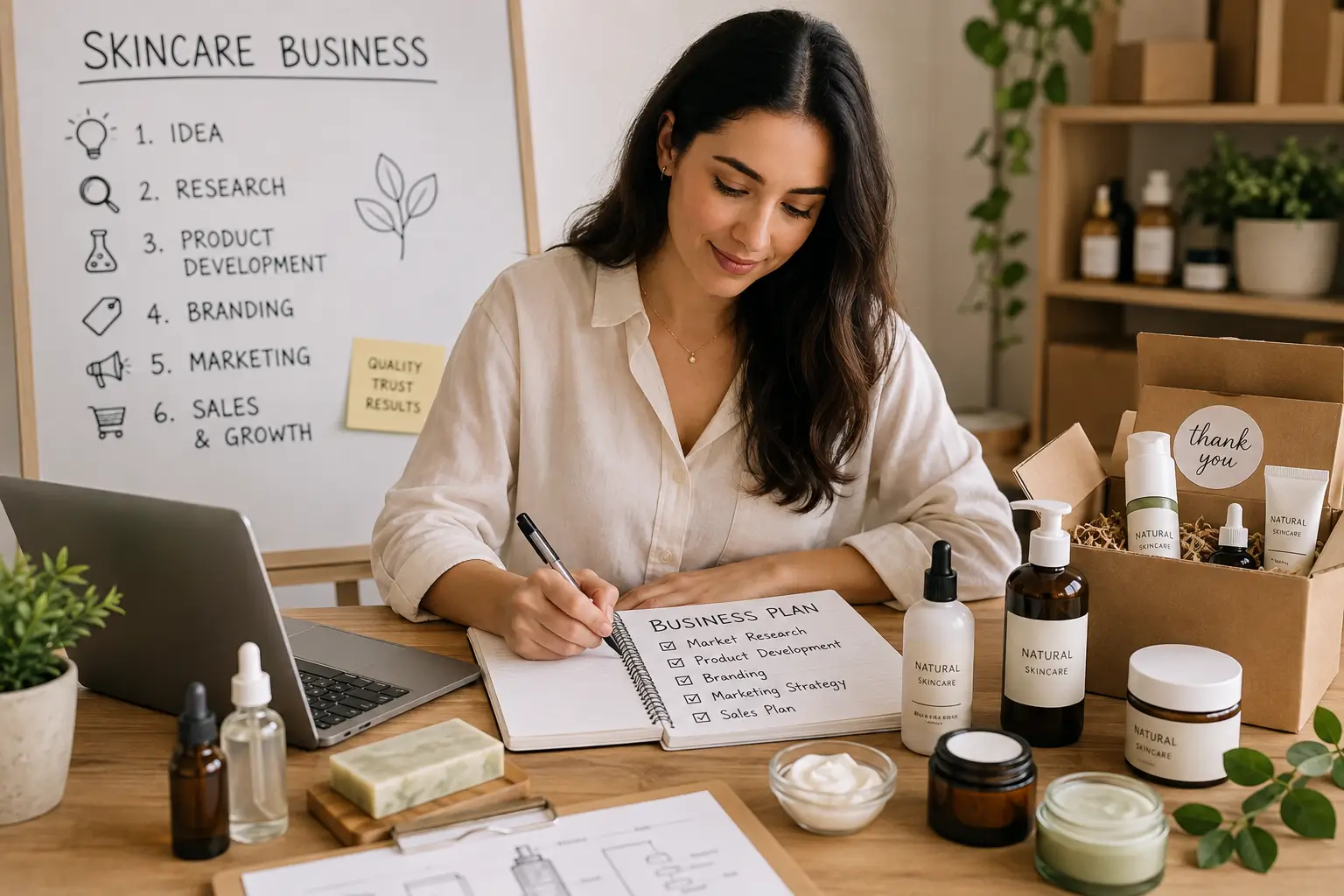
The skincare industry is getting bigger every year. More people are taking care of their skin, checking ingredients, and looking for products that work for them. This creates a great chance for entrepreneurs who want to start their own skincare brand.
Starting a skincare business can feel hard at first, but it gets much easier when you take it one step at a time. You do not need to launch many products or rent a big office right away. In fact, many successful skincare brands started with just one or two products and grew slowly as they got more customers.
Understand the Skincare Market
Before investing money, spend time learning about the market. Customers today want products that solve real problems. Some look for anti-aging creams, while others need products for acne, dry skin, sensitive skin, or sun protection.
Avoid trying to help everyone. You ought to concentrate on a certain audience. Customers are better able to comprehend your brand’s values when you have a distinct specialization.
Among the well-liked skincare niches are:
- Natural skincare
- Organic skincare
- Vegan skincare
- Men’s skincare
- Anti-aging products
- Acne care
- Sensitive skin products
- Luxury skincare
Choosing a niche makes product development and marketing much easier.
Create a Business Plan
Every successful business starts with a plan. Your business plan doesn’t need to be complicated. It simply helps you stay organized and understand where you’re heading.
Include details such as:
- Business goals
- Target customers
- Product ideas
- Estimated startup costs
- Pricing strategy
- Marketing plan
- Sales channels
A written plan also helps if you later apply for business financing.
Decide What Products to Sell
One common mistake is launching too many products at once. Instead, begin with a small product line.
Many new skincare brands start with products such as:
- Face cleanser
- Moisturizer
- Face serum
- Sunscreen
- Facial oil
- Lip balm
Launching fewer products allows you to focus on quality and customer satisfaction.
Develop High-Quality Products
Your products represent your brand. Whether you manufacture them yourself or work with a private-label manufacturer, quality should always come first.
Customers expect products that are:
- Safe to use
- Consistent in quality
- Properly labeled
- Easy to understand
- Made with reliable ingredients
Take time to test your products before selling them. Collect feedback from friends, family, or a small test group and make improvements if needed.
Choose a Business Name
Your business name should be easy to remember and simple to pronounce. Before making a final decision:
- Check if the domain name is available.
- Search for existing trademarks.
- Look at social media availability.
- Make sure customers can easily spell the name.
A memorable brand name makes marketing easier in the future.
Register Your Business
Once you’ve selected your business name, complete the legal registration process.
Requirements vary depending on where you operate, but many skincare businesses complete steps such as:
- Registering the business entity
- Applying for required licenses
- Obtaining tax identification numbers
- Opening a business bank account
Design Professional Packaging
Packaging is the very first thing people notice, meaning even the best skincare formulas will struggle to sell if they look messy, confusing, or cheap. To succeed, your packaging needs to keep the product safe, clearly list what is inside, explain how to use it, show safety details, and match your brand’s style. Ultimately, keeping the design simple and clean is essential, as neat layouts are usually much easier for customers to trust than messy packaging.
Set the Right Price
Careful planning is necessary for pricing. You can find it difficult to turn a profit if your prices are too low. Customers can select competitors if they are too high.
When calculating prices, consider:
- Product manufacturing costs
- Packaging expenses
- Shipping costs
- Marketing expenses
- Business overhead
- Desired profit margin
Research similar products to understand what customers are willing to pay.
Build Your Online Store
Establishing an internet skincare business is a fantastic strategy to contact clients worldwide and make it simple for them to view your merchandise, read your brand’s narrative, and make purchases. Clear images, thorough product descriptions, ingredients, customer testimonials, useful FAQs, and secure payment options are all essential components of a successful online store. A well-designed website increases customer trust and makes buying much simpler and more pleasurable.
Create a Strong Brand Identity
There is much more to your brand than just a logo. It encompasses your colors, manner of speaking, packaging, client service, and general personality. Consider what you want consumers to remember long after using your skincare products. Strong, enduring consumer loyalty may be developed by maintaining the same appearance and feel of your brand everywhere.
Market Your Skincare Business
Even the best skincare products will not sell if no one knows they are out there, but you should focus on building trust with your audience rather than just pushing for quick sales. To do this effectively, you can share helpful content like educational blog posts, skincare tips on social media, and discounts for first-time buyers, while also working with influencers, collecting real customer reviews, and building an email list. Providing useful, helpful information usually attracts loyal customers much better than constant advertising ever will.
Provide Excellent Customer Service
Happy customers often become repeat customers. Respond to questions quickly, handle complaints professionally, and make the buying experience as smooth as possible.
Simple actions such as fast shipping, clear communication, and easy returns can make your brand stand out in a competitive market.
Common Mistakes to Avoid
Many new business owners run into the same hurdles during their first year.
Avoid these common mistakes:
- Launching too many products too quickly
- Ignoring customer feedback
- Using poor-quality packaging
- Pricing products without calculating costs
- Neglecting marketing
- Failing to build customer trust
Learning from these mistakes early can save both time and money.
Choose the Right Manufacturing Method
One of the biggest decisions you’ll make is how your products will be made. The right option depends on your budget, experience, and long-term business goals.
1. Make Products Yourself
If you know how to formulate skincare products and want to start on a small scale, making them yourself is a great way to keep a close eye on quality and lower your upfront costs, just as long as you carefully follow all the necessary safety and labeling rules.
2. Work with a Private Label Manufacturer
Many beginners choose private labeling because it lets them sell products under their own brand without needing to build a factory, which saves time and helps them to focus entirely on branding, marketing, and customer service.
3. Custom Product Manufacturing
If you want unique formulas that stand out from competitors, you can work with a manufacturer to develop custom products. This usually requires a higher investment but gives your brand a unique identity.
Understand Legal and Safety Requirements
Selling skincare products requires more than just nice packaging, so before you launch in the United States, you must understand the local legal rules, make sure your labels clearly show ingredients, directions, and warnings, and avoid making unproven claims. It is best to consult an expert before you begin selling if you are ever unsure about these laws because adhering to the regulations from the start protects both your customers and your company.
Build Customer Trust
People use skincare products on their skin every day. Because of this, trust plays a major role in purchasing decisions.
You can build trust by:
- Sharing clear product information.
- Using high-quality product images.
- Responding to customer questions quickly.
- Encouraging honest customer reviews.
- Being transparent about ingredients and product benefits.
Customers are more likely to return when they feel confident about your brand.
Manage Your Business Finances
Many small businesses fail simply because they do not manage their cash flow the right way, so you should always keep your personal and business money completely separate while closely tracking your income, expenses, shipping fees, inventory costs, ad budgets, and profits. Using accounting software or hiring a professional bookkeeper can make a big difference in keeping your finances organized and making tax season much easier.
Grow Your Product Line Carefully
Once your first products start doing well, you might feel the urge to rush out a bunch of new items, but it is much smarter to grow your line slowly and steadily. For instance, if your moisturizer turns into a best-seller, you can later add a matching cleanser or serum that pairs well with it, since growing your collection based on what your customers actually ask for usually works much better than launching too many things all at once.
Ways to Grow Your Skincare Business
As your business becomes established, look for opportunities to reach more customers.
- Improve your website. A fast, easy-to-use website encourages visitors to stay longer and complete purchases. Regular updates also help customers discover new products.
- Build an email list. Email marketing allows you to stay in touch with your customers by offering new products, specials, and skincare tips. It also encourages repeat purchases.
- Encourage customer reviews. Positive reviews boost the confidence of potential buyers to test your products and offer social evidence.
- Offer excellent customer support. Quick responses, simple return policies, and friendly communication create a better shopping experience and encourage customer loyalty.
- Use social media consistently. Share skincare education, product demonstrations, customer stories, and behind-the-scenes content to build stronger relationships with your audience.
These strategies may seem simple, but together they can help create steady long-term growth.
Common Challenges for New Skincare Brands
Every business runs into tough times, particularly during its first year, when you might deal with slow sales, tough competition, rising ad costs, or changing customer tastes. Instead of getting discouraged, you should view these hurdles as chances to learn, keep listening to what your buyers have to say, and constantly improve both your products and your marketing. True success takes time and rarely happens overnight, meaning that staying patient and consistent is usually what makes all the difference.
Summary
Starting a skincare business takes planning, dedication, and patience, but it can also be a deeply rewarding journey where you do not need a massive budget or a huge line of products to get started, since many successful brands began with just one great item and a strong commitment to serving their buyers well. If you focus on making quality products, understanding your audience, building a trustworthy brand, and offering great customer service, you can gradually expand your line and reach more people as your experience grows.
Long-term success comes down to solving real customer problems, keeping your product quality high, and always looking for ways to improve your business, meaning that if you stay true to these core principles, you will be in a great position to build a skincare brand that people genuinely trust and love to recommend.