

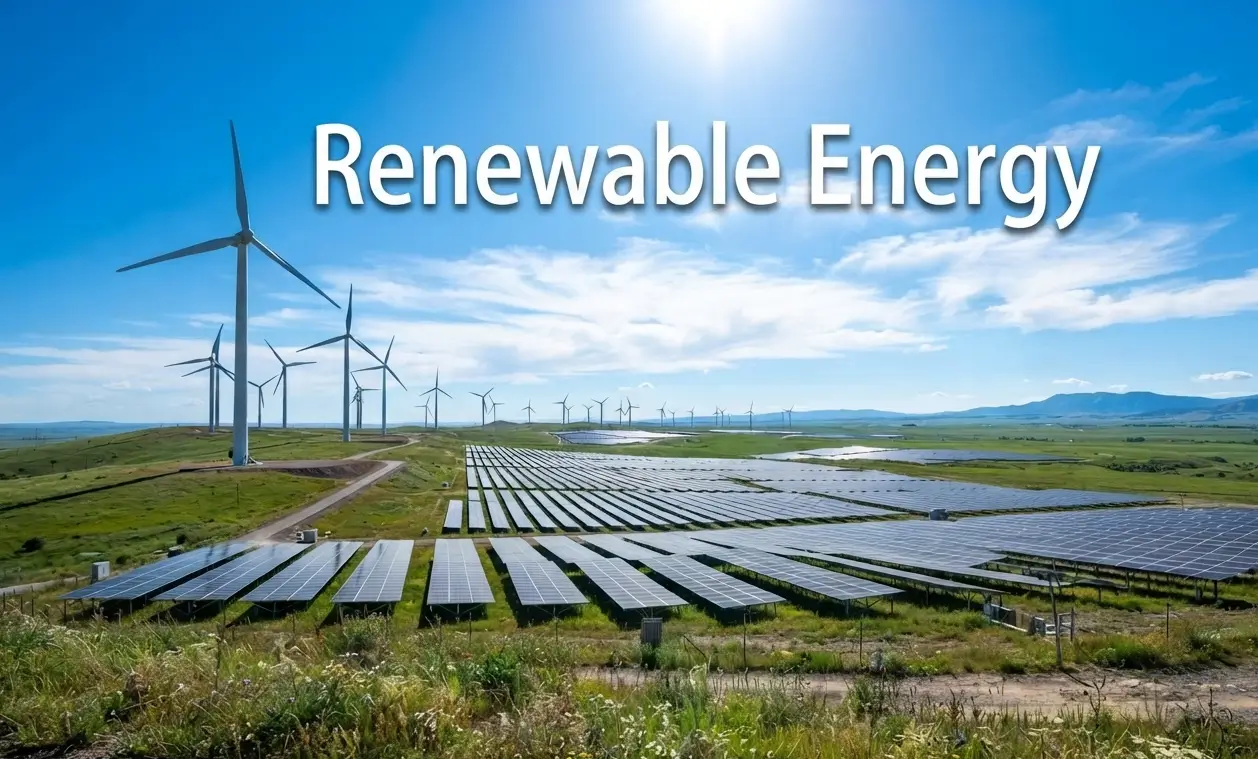
Energy plays an important role in almost everything we do. We need electricity to run homes, offices, factories, transport systems and digital services. For many years, countries have depended heavily on coal, oil and natural gas to meet this demand. These fuels are limited, and their use also creates greenhouse gas emissions.
Renewable energy offers another way to produce power. It comes from natural sources that continue to become available through natural processes. Solar energy, wind power, hydropower, biomass, and geothermal energy are some common examples.
Renewable energy is no longer a small part of the energy sector. It has become a major area of investment and development around the world. The International Energy Agency (IEA) expects global renewable power capacity to increase by about 4,600 GW between 2025 and 2030. Solar power is expected to account for almost 80% of this increase.
India is also moving quickly in this area. As of August 31, 2026, India had around 168 GW of installed solar power capacity and about 58.5 GW of wind power capacity, according to the Ministry of MNRE.
Let’s Understand Renewable Energy
Renewable energy means energy produced from natural sources that can replenish themselves over time. The sun produces solar energy every day. Wind continues to move because of differences in air pressure and temperature. Water flows through rivers and reservoirs. Plants and organic waste can provide biomass energy.
Unlike fossil fuels, renewable energy does not depend on a limited underground supply that takes millions of years to form. Renewable energy can produce electricity, provide heat, and support some forms of transportation. It can also work at different scales. A homeowner can install solar panels on a roof while a large company can build a huge solar or wind project.
Major Renewable Energy Technologies
Renewable energy does not depend on just one technology. Different sources work better in different locations and situations.
1. Solar Energy
Solar energy uses sunlight to produce electricity or heat. These photovoltaic panels convert sunlight directly into electricity. You can see these panels on rooftops, commercial buildings, and large solar parks. Solar power can also support off-grid systems in places where access to the electricity grid remains difficult.
The IEA expects solar PV to dominate global renewable capacity growth through 2030. India has strong potential for solar power because many parts of the country receive plenty of sunlight during the year. Rooftop solar is also becoming an important option for homes and businesses.
2. Wind Energy
Wind turbines turn moving air into electricity by using the wind to spin large blades, which power an internal generator. These systems can be set up either on land or offshore in locations that experience strong and steady winds, making them ideal for large-scale energy projects.
India has developed a significant wind power sector. MNRE reported more than 58.5 GW of cumulative installed wind capacity as of August 2026. Wind and solar also work well together in some power systems because their generation patterns can differ.
3. Hydropower
Hydropower uses moving water to generate electricity. A dam or other water system directs water through turbines, which then drive generators. Hydropower can provide large amounts of electricity and can also help balance a power system. Pumped-storage hydropower is particularly useful because it can store energy by moving water to a higher reservoir and release that energy later when electricity demand rises.
The IEA expects more than 154 GW of new hydropower capacity to come online globally between 2025 and 2030. India also uses both conventional and pumped-storage hydropower as part of its changing electricity system.
4. Biomass Energy
Biomass energy comes from organic material such as agricultural residues, wood waste, and other biological materials. India has a large agricultural sector, which creates opportunities for using certain types of agricultural waste for energy. Properly managed biomass projects can turn waste into useful energy while reducing the amount of material that would otherwise need disposal. However, biomass needs careful management. The source of the material, transportation, and the way it is burned or processed all affect its environmental benefits.
5. Geothermal Energy
Geothermal energy harnesses the natural heat trapped deep inside the Earth. Countries such as Iceland have used geothermal resources extensively because of their geological conditions. India has geothermal potential in some regions, but it does not currently play the same large role in India’s energy mix as solar, wind, or hydropower. The technology remains an area to watch as countries look for more sources of reliable low-carbon energy.
How Renewable Energy Is Changing
Renewable energy is changing quickly. Solar panels have become a major part of new power capacity worldwide, while wind, hydropower, batteries and other technologies continue to develop. In 2025, global renewable capacity additions reached about 800 GW, according to the IEA. Solar PV made up more than three-quarters of those new additions, and wind contributed about 20%. This growth does not mean the transition is simple. Renewable projects still face challenges related to electricity grids, financing, land, supply chains, permitting, and energy storage.
1. Falling Cost of Solar Power
Solar power has become more accessible because technology and manufacturing have improved. Lower equipment costs have helped households, businesses and large power developers consider solar projects. The IEA expects solar PV to remain the main driver of renewable capacity growth through 2030. For Indian consumers, rooftop solar can be particularly useful where a building has suitable roof space and receives enough sunlight.
2. Growth of Energy Storage
One important challenge with solar and wind is that they do not produce electricity at exactly the same time as consumer demand. Solar panels generate electricity during daylight hours. Wind production depends on wind conditions. Batteries and pumped-storage hydropower can help store electricity and make it available when needed. This makes energy storage an important part of the future renewable energy system.
3. Stronger Electricity Grids
More renewable power also requires better electricity networks. A modern grid needs to move electricity from areas where renewable power is generated to areas where people and businesses need it. It also needs systems that can manage changes in generation and demand. The IEA identifies grid flexibility, storage, and demand-side flexibility as important parts of integrating higher levels of solar and wind power in India.
Renewable Energy in India
India has increased its renewable energy capacity significantly over the years. Solar power has become the largest part of India’s renewable capacity growth.
According to MNRE data, India’s cumulative renewable energy capacity reached about 295.6 GW as of August 31, 2026, including large hydropower. Solar accounted for about 168 GW and wind for about 58.5 GW.
The IEA expects India’s electricity demand to grow at an average annual rate of about 6.4% through 2030. This means India needs to expand renewable generation while also improving transmission, storage, and grid management.
Benefits of Renewable Energy
Renewable energy can provide several important benefits.
- Lower dependence on fossil fuels: Countries can reduce some dependence on imported or limited fossil fuels by developing domestic renewable resources.
- Cleaner electricity generation: Solar and wind power produce electricity without burning coal or gas during operation.
- More energy choices: Renewable technologies allow homes, businesses and governments to use different sources of energy rather than depending on one fuel.
- New economic activity: Renewable projects create demand for manufacturing, construction, installation, maintenance, and other services.
- Support for rural areas: Some renewable projects can bring investment and infrastructure to areas outside major cities.
However, renewable energy is not completely free of environmental or economic challenges. Large projects can require land, transmission infrastructure, and significant investment. Manufacturing equipment also requires raw materials and energy.
Challenges of Renewable Energy
The biggest challenge is not simply producing renewable electricity. It is producing and delivering it reliably when people need it. Solar and wind output can change with weather and time of day. This makes storage, flexible generation and stronger grids important.
Land and local environmental concerns can also affect large projects. Developers need to consider local communities, wildlife, water resources and existing land use. Another challenge involves supply chains. Solar panels, wind turbines, batteries, and other equipment depend on manufacturing capacity and raw materials across different countries.
Financing can also affect project development. Even when a technology becomes cheaper, developers still need land, permits, grid connections, and access to capital.
What Is the Future of Renewable Energy?
The future will be a combination of technologies rather than one single energy source. Solar and wind are expected to remain major sources of new renewable capacity. Batteries and pumped-storage hydropower can help manage fluctuations. Hydropower can provide both electricity and system flexibility. Other technologies such as geothermal and bioenergy can support specific needs and locations.
The IEA expects global renewable power capacity to roughly double between 2025 and 2030. India is also among the markets where the agency has increased its renewable growth outlook. The future will also involve more distributed energy. Instead of producing all electricity at large power plants, homes, factories, offices and commercial buildings can increasingly generate some of their own electricity through rooftop solar.
Conclusion
Renewable energy is becoming an important part of the global energy system. Solar, wind, hydropower, biomass and geothermal technologies each have different uses and limitations. The biggest change is happening through the combination of these technologies. Solar and wind can provide large amounts of electricity while batteries, pumped storage and stronger grids can help make the system more flexible.
India has already built a large renewable energy base and continues to expand solar, wind and other technologies. Current data shows particularly strong growth in solar power. The transition will not happen overnight. It will require investment, better infrastructure, reliable electricity networks, and practical planning. But the direction is clear: renewable energy is moving from being an alternative source of power to becoming a major part of how countries produce and manage energy.