

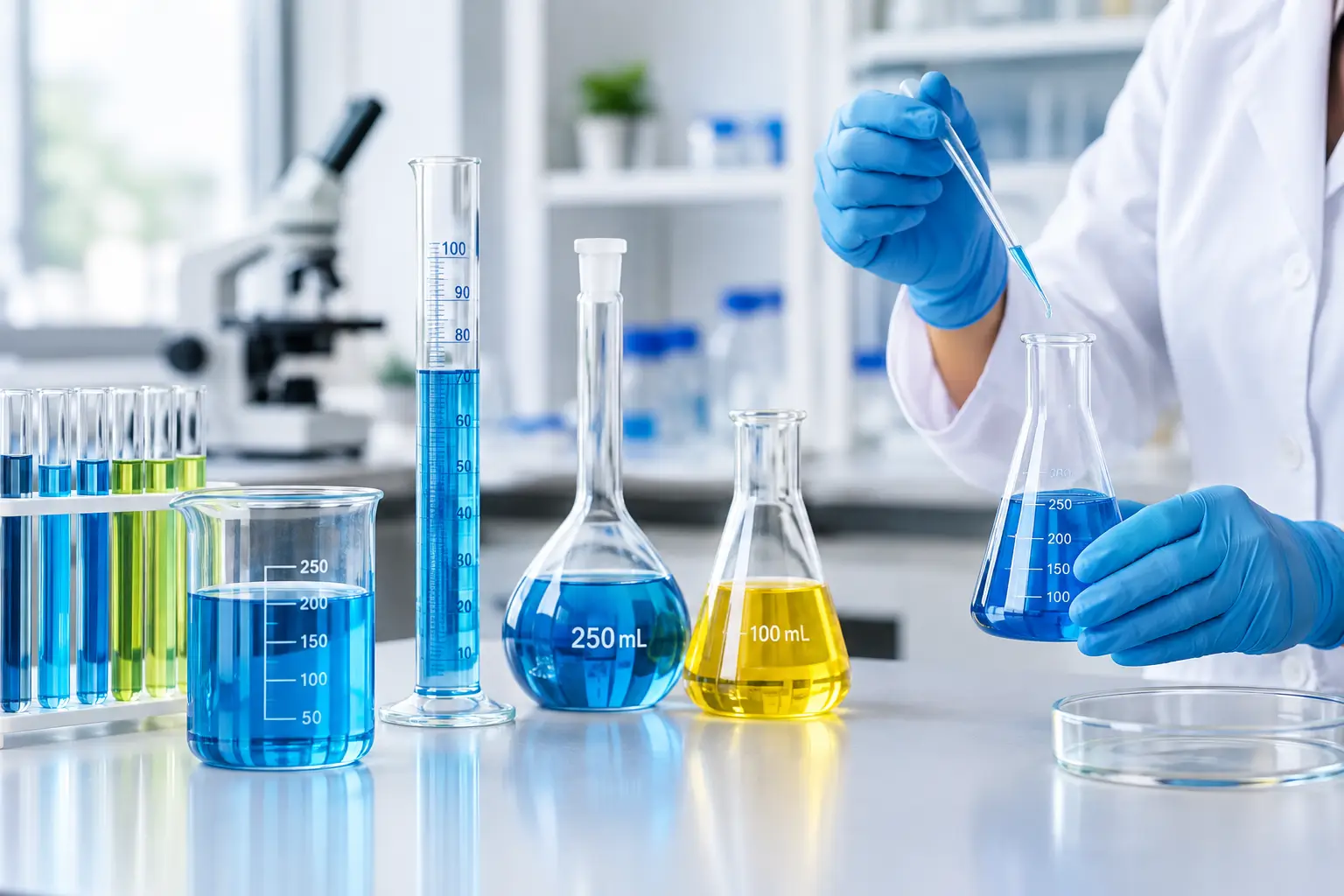
Glassware is one of the most common and important parts of a laboratory. Laboratory workers use different types of glassware every day, from measuring liquids to mixing chemicals and heating samples. At first glance, a glass beaker or flask may look like a simple container. But laboratory glassware needs to handle chemicals, heat, pressure, and repeated use. Poor-quality or damaged glassware can affect the work and may also create safety problems.
This is why choosing good-quality glassware matters in laboratories. The right glassware can help workers handle laboratory tasks with greater confidence and reduce problems caused by cracks, contamination, or incorrect measurements.
In this article, we will understand why glassware quality matters, what makes laboratory glassware reliable, and how laboratories can use and maintain it safely.
What Is Laboratory Glassware?
Laboratory glassware refers to glass equipment used for different laboratory tasks. It includes items such as beakers, test tubes, flasks, measuring cylinders, pipettes, and burettes. There are several uses for different kinds of glassware. Liquids can be mixed or heated in a beaker, and liquid volume can be measured using a measuring cylinder. Solutions can be prepared to a precise volume with the use of a volumetric flask.
Laboratories choose glassware according to the type of work they perform. A research laboratory may need different equipment from a school laboratory or a testing laboratory. The type of glass used is also important. Most lab products are made from borosilicate glass because it handles high heat and strong chemicals well without breaking.
Why Does Glassware Quality Matter in a Laboratory?
High-quality glassware keeps laboratory work safe and ensures accurate results. Even a tiny flaw in a glass container can ruin an entire experiment.
For example, a cracked flask may break when a worker heats it. Similarly, a measuring cylinder with poor markings can make it difficult to measure the required liquid volume correctly.
Quality does not only mean that the glass looks clear and clean. Good laboratory glassware should match the purpose for which the laboratory plans to use it.
1. Quality Glassware Handles Laboratory Conditions Better
Laboratory work can involve chemicals, heat, cooling, and frequent washing. Quality Glassware needs to handle these conditions according to its intended use.
Borosilicate glass is widely used in labs because it handles quick temperature changes much better than regular glass. This makes it ideal for many lab experiments. However, this does not mean that every glass item can handle every temperature or chemical. Workers should always use quality glassware according to the manufacturer’s instructions.
2. It Helps Reduce the Risk of Breakage
Broken glass can cause cuts and can also release chemicals if a container holds a laboratory substance. Good-quality glassware with proper manufacturing standards can reduce the chance of problems during normal intended use. Workers should still inspect every item before use because even high-quality glassware can become damaged over time.
A small crack, chip, or deep scratch can weaken the glass. If a worker notices such damage, they should remove the item from use rather than taking a chance.
3. Accurate Glassware Supports Better Results
Some laboratory tasks require accurate measurement. In such cases, the quality and type of glassware become especially important. A measuring cylinder, pipette, burette, or volumetric flask may have markings designed for a particular level of accuracy. Workers should choose the correct item for the measurement they need to perform.
For example, a beaker works well for mixing and holding liquids, but it may not provide the same measurement accuracy as glassware designed specifically for precise volume measurement.
Using the wrong glassware can therefore affect the final result even when the rest of the laboratory procedure is correct.
Different Types of Laboratory Glassware
Laboratories use many types of glassware. Each item has a specific purpose.
| Glassware | Common Use |
| Beaker | Holding, mixing, and heating liquids |
| Test tube | Small-scale reactions and sample handling |
| Measuring cylinder | Measuring liquid volume |
| Conical flask | Mixing and holding solutions |
| Volumetric flask | Preparing solutions to a specific volume |
| Pipette | Transferring measured amounts of liquid |
| Burette | Delivering measured liquid during titration |
| Glass funnel | Transferring liquids or filtering with suitable filter paper |
The right choice depends on the laboratory procedure. Workers should not assume that one type of glassware can replace another for every task.
Why Borosilicate Glass Is Commonly Used
Borosilicate glass has become common in many laboratory applications because it provides useful resistance to heat and chemical exposure. One important feature is its relatively low thermal expansion. This helps it handle temperature changes better than ordinary soda-lime glass in many laboratory situations.
This makes borosilicate glass useful for items that may face heating and cooling during normal laboratory work. Laboratory workers should remember that borosilicate glass is not unbreakable. Sudden extreme temperature changes, physical impact, or incorrect handling can still cause breakage.
When Choosing Borosilicate Glass
Before buying laboratory glassware, check whether the product is suitable for the planned work. Consider the chemicals, temperature conditions, and type of laboratory procedure. Do not select glassware only because it looks strong or costs less. The product should meet the requirements of the work.
Quality Glassware and Chemical Resistance
Laboratories may handle acids, bases, solvents, and other chemical substances. Different glass materials can react differently with different chemicals. Good-quality laboratory glassware should provide suitable chemical resistance for its intended application. However, no glass material should be treated as suitable for every chemical.
Before using glassware with a particular substance, laboratory staff should check the manufacturer’s compatibility information or the relevant laboratory procedure. This simple step can prevent avoidable damage to the glassware and reduce safety risks.
The Importance of Proper Glassware Inspection
Even the best glassware needs regular inspection. A laboratory worker should look at the glassware before using it. Check for cracks, chips, scratches, and other visible damage. Pay special attention to the rim and areas that may have suffered impact.
What Should You Check?
- Cracks or visible lines in the glass
- Chipped edges or rims
- Deep scratches
- Broken markings
- Signs of chemical damage
- Unusual changes in the condition of the glass
Cleaning and Handling Quality Glassware Properly
Proper handling can increase the useful life of laboratory glassware. Workers should avoid placing glassware where it can easily fall or come into contact with hard surfaces. They should also avoid forcing glass tubes or other components into tight openings.
Cleaning also needs care. Extremely hot glass should not suddenly come into contact with cold water because a rapid temperature change can cause thermal stress. Laboratories should follow their established cleaning procedures and use suitable cleaning materials for the type of glassware and substances involved.
Storage Also Matters
Glassware should have enough space so that items do not knock against each other unnecessarily. Heavy items should not be placed in a way that creates a risk of falling onto lighter glass items.
Frequently used glassware should remain easy to access. This reduces the need to move several other items every time a worker needs a particular flask or beaker. Proper storage also makes it easier for workers to notice damaged equipment and remove it from use.
Quality Glassware Can Save Costs Over Time
Some laboratories may look at the initial price when buying glassware. However, price alone does not tell the full story. Glassware that breaks easily may need frequent replacement. It can also interrupt laboratory work and create additional cleaning or disposal requirements. Good-quality glassware that suits the intended application can provide better value over its working life. This does not mean laboratories should always buy the most expensive product. The better approach is to select reliable glassware that meets the required quality and performance standards.
How to Choose the Right Quality Glassware
Before purchasing laboratory glassware, consider the actual work that the laboratory performs.
- Check the Application: Understand what the glassware will be used for. A laboratory that mainly prepares solutions may need different glassware from one that performs heating or analytical work.
- Check the Material: Check whether the glass material suits the chemicals and temperature conditions involved in the work.
- Check Measurement Requirements: If accurate measurement matters, choose glassware designed for the required level of measurement accuracy. Do not use a general-purpose container when the procedure requires more precise equipment.
- Check Product Quality: Look for reliable laboratory glassware from established manufacturers or suppliers. Check product specifications and instructions before purchase.
- Check Condition Before Use: Even new glassware should receive a basic visual check before use. During storage and transportation, products can sometimes suffer damage.
Conclusion
Quality glassware plays an important role in safe and reliable laboratory operations. It helps workers handle liquid samples and chemicals according to the needs of their work. Choosing quality glassware can help reduce breakage and support better measurement and laboratory results. However, even high-quality glassware needs proper inspection, cleaning, handling, and storage. When laboratories follow this approach, they can create a safer working environment while also protecting the quality of their everyday laboratory work.
Frequently Asked Questions
1. Why is borosilicate glass used in laboratories?
Borosilicate glass is commonly used because it offers good resistance to thermal changes and many chemicals for suitable laboratory applications.
2. Can damaged glassware be used?
Laboratories should not continue using glassware when cracks, chips, or other damage can affect safe use. The damaged item should be removed from service according to the laboratory’s safety procedure.
3. Is a beaker suitable for accurate measurement?
A beaker can provide an approximate indication of volume, but it is not normally the first choice when a procedure requires precise volume measurement. Use suitable measuring glassware for accurate work.
4. How should laboratory glassware be stored?
Glassware should be stored securely with enough space to reduce unnecessary contact and breakage. Storage should also make it easy to inspect and access items safely.
5. Does quality glassware last forever?
No. Even good-quality glassware can become damaged through use, impact, temperature changes, or chemical exposure. Regular inspection remains important.