

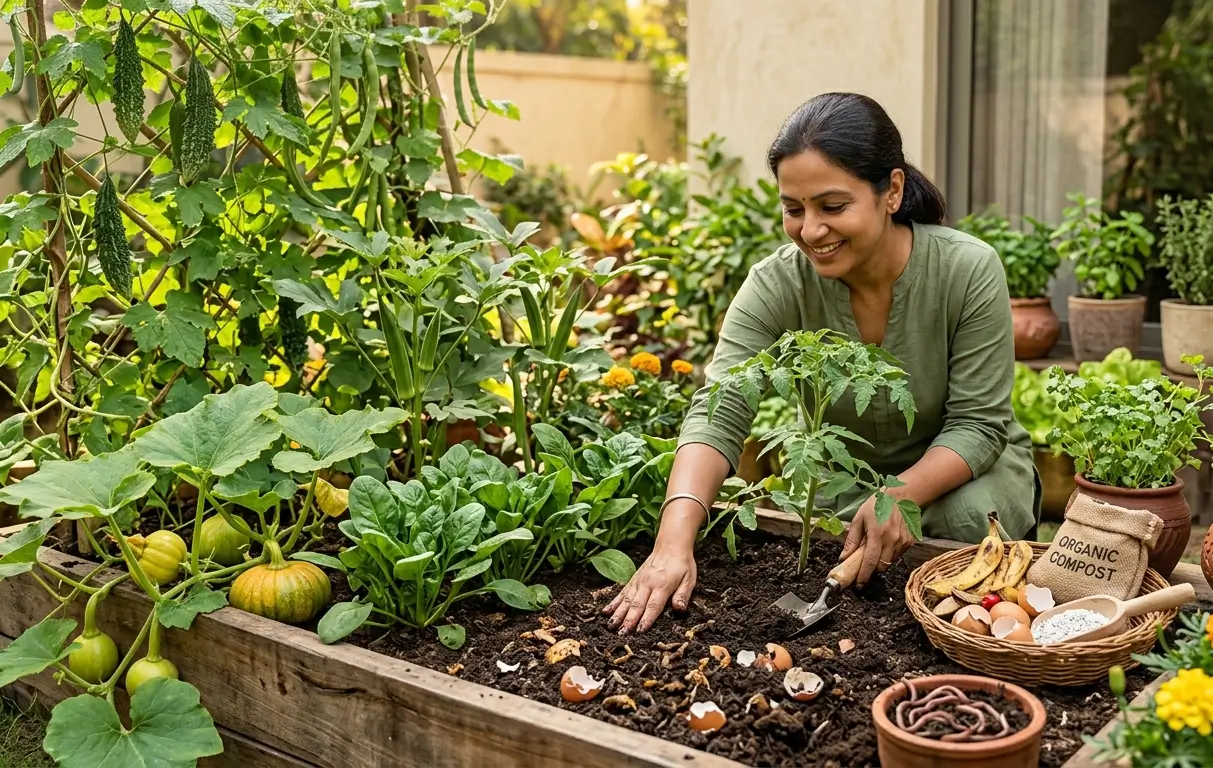
Healthy soil plays an important role in plant growth. It provides nutrients and supports the roots. However, regular watering, growing plants in the same soil, and removing old plant material can affect soil quality over time. This is where organic fertilizer can help. It adds natural nutrients to the soil and supports healthy plant growth. It can also improve soil structure and help your garden maintain its natural balance. Whether you grow vegetables on your balcony, maintain a small terrace garden, or have a backyard full of plants, organic fertilizer can be a useful addition to your gardening routine.
What Is Organic Fertilizer?
Organic fertilizer comes from natural materials such as plant waste, animal manure, and decomposed organic matter. It supplies nutrients that plants need for healthy growth. Unlike synthetic fertilizers, which contain manufactured or processed nutrients, organic fertilizers come from natural sources.
Some common examples include:
- Compost: Made from decomposed kitchen scraps, dry leaves, and other suitable organic materials.
- Vermicompost: Produced when earthworms break down organic waste.
- Cow dung manure: Properly decomposed cow dung that gardeners use to improve soil fertility.
- Neem cake: A natural material made from neem seeds after oil extraction.
- Bone meal: A processed animal-based material that mainly supplies phosphorus and calcium.
Each organic fertilizer has a different nutrient composition. Therefore, you should choose one according to your plants and soil requirements.
8 Reasons Why Your Garden Needs Organic Fertilizer This Season
Organic fertilizer offers several benefits beyond supplying nutrients. Here are eight reasons why you should consider using it in your garden.
1. Improves Soil Health
Healthy soil creates a good environment for plant roots. However, soil can lose organic matter over time, especially when you grow plants continuously in the same pots or garden beds. Soil gains organic materials from organic fertilizer. This can improve its structure and make it more suitable for plant growth. For example, if your balcony garden has hard and compact soil, adding mature compost can help improve its texture. Healthy soil also supports earthworms and other useful soil organisms.
2. Provides Natural Nutrients to Plants
Plants need nutrients to grow leaves, develop roots, and produce flowers and fruits. Organic fertilizers supply nutrients such as nitrogen, phosphorus, and potassium. These nutrients perform different functions in plant growth. Nitrogen supports healthy leaf growth. Phosphorus helps root development and supports flowering and fruiting. Potassium helps plants manage different growth processes.
The nutrient content depends on the organic fertilizer you choose. Compost, vermicompost, and manure do not contain identical amounts of nutrients. Using suitable organic fertilizer helps you improve soil fertility without depending entirely on synthetic products.
3. Supports Better Water Retention
Water management becomes important during hot Indian summers. Small garden pots can dry out quickly, especially when they receive direct sunlight. Organic matter can help soil hold moisture. This means the soil may retain water for longer than soil with very little organic matter. For example, adding compost to the soil in your vegetable pots can improve its moisture-holding ability. However, organic fertilizer cannot replace regular watering. You should still check soil moisture and water your plants according to their needs.
4. Encourages Healthy Root Growth
Strong roots help plants absorb water and nutrients from the soil. When you add suitable organic matter, you improve the growing environment around the roots. Better soil structure can also support root movement and development. This becomes especially useful for plants growing in containers. Roots have limited space in pots, so good soil quality matters. You can mix mature compost into potting soil when preparing containers for new plants. Avoid using fresh manure directly around plant roots because it can damage plants.
5. Supports Useful Soil Organisms
Healthy soil contains many tiny living organisms. These include beneficial bacteria, fungi, and other microorganisms. They help break down organic matter and support nutrient cycling in the soil. Organic fertilizers provide materials that support these natural processes. Compost, for example, adds decomposed organic matter that contributes to a healthy soil environment. These organisms also help maintain the natural activity of garden soil.
6. Helps Reduce Household Organic Waste
One of the biggest advantages of home composting is that you can turn suitable kitchen waste into something useful for your garden. Vegetable peels, fruit scraps, tea leaves, and dry leaves can become compost when they decompose under suitable conditions.
Instead of throwing all these materials into the household dustbin, you can collect suitable organic waste in a compost bin. This approach helps reduce household waste and gives you a useful soil amendment for your plants. Remember to maintain the right balance of wet and dry materials. Avoid adding plastic, meat, and oily food to a basic home composting system.
7. Supports Healthy Flower and Vegetable Gardens
If you grow tomatoes, chillies, spinach, roses, or marigolds, healthy soil can support better plant development. Organic fertilizers improve soil conditions and supply nutrients that plants need. For example, compost can improve the growing medium for tomato plants. Vermicompost can also supply nutrients to flowering plants when you use it according to product instructions. However, fertilizer alone cannot guarantee more flowers or vegetables. Sunlight, watering, suitable weather, and proper plant care also matter.
8. Helps Maintain Long-Term Soil Fertility
Healthy soil needs regular care. If you continuously grow plants without adding organic matter, the soil may gradually lose some of its useful properties. Organic fertilizers help add organic matter and support soil fertility over time. For example, gardeners who grow vegetables throughout the year can add mature compost between growing cycles. This helps maintain the quality of the growing medium and prepares it for future plants.
Which Organic Fertilizer Should You Use in Your Garden?
Different plants have different nutrient requirements. You should choose organic fertilizer according to your garden type and the condition of your soil.
| Organic fertilizer | Main benefit | Suitable use |
| Compost | Adds organic matter and nutrients | General garden plants |
| Vermicompost | Supplies nutrients and organic matter | Vegetables and flowering plants |
| Cow dung manure | Improves soil fertility | Garden beds and pots |
| Neem cake | Supplies nutrients and contains natural compounds | Selected garden plants |
| Bone meal | Provides phosphorus and calcium | Plants that need these nutrients |
Always use properly prepared products. Fresh animal manure can contain harmful microorganisms and may damage plants if you apply it directly.
How to Use Organic Fertilizer in Your Garden
Using organic fertilizer does not require complicated gardening knowledge. However, you should follow a few basic practices.
Step 1: Check Your Soil
Look at the condition of your soil before adding fertilizer. Check whether it feels too hard, drains poorly, or dries out quickly. If you notice repeated plant growth problems, consider checking the soil rather than adding different fertilizers without understanding the cause.
Step 2: Choose the Right Fertilizer
Select compost, vermicompost, or another suitable product according to your plants. For example, compost works well as a general soil improvement material. You can also choose a specialised organic fertilizer if your plants need particular nutrients.
Step 3: Follow the Recommended Quantity
Do not assume that more fertilizer means faster plant growth. Excessive fertilizer can harm plants and disturb the soil balance. Follow the product label for application quantity and frequency. If you use homemade compost, mix it properly with the growing medium rather than adding large amounts around plant roots.
Step 4: Water Your Plants Properly
After applying suitable organic fertilizer, water your plants according to their needs. Avoid overwatering because excess water can damage roots and create other growing problems. Water only after checking the soil, especially in the rainy season.
Best Time to Apply Organic Fertilizer in India
The right time depends on the plant type, local weather, and fertilizer you use.
- Before planting: Mix mature compost into the soil when preparing garden beds or pots. This improves the growing medium before you add new plants.
- During active growth: Many vegetables and flowering plants benefit from additional nutrients during their growing period. Follow the fertilizer instructions and plant requirements.
- After harvesting: You can add mature compost to vegetable beds before planting the next crop. This helps replenish organic matter in the soil. In India, gardening conditions differ by area. Delhi terrace gardens may have different weather than Bengaluru or Kerala gardens. Adjust fertiliser and watering to local conditions.
Errors to Avoid When Using Organic Fertilizer
Even natural fertilizers need care. Do not do these gardening blunders.
1. Using Fresh Manure
Fresh cow dung and other animal manure may contain harmful microorganisms. They can also damage plant roots when used incorrectly. Always choose composted manure properly.
2. Adding Too Much Fertilizer
Excessive fertilizer can affect plant growth. Follow the recommended quantity instead of applying large amounts.
3. Using Unfinished Compost
Unfinished compost may still contain decomposing materials. It can create unpleasant smells and affect plant growth. Use mature compost that has completed the decomposition process.
4. Ignoring Water and Sunlight
Fertilizer cannot solve every plant problem. Your plants also need suitable sunlight, proper watering and enough space to grow.
Conclusion
A healthy garden starts with healthy soil. Organic fertilizer can help improve soil structure, supply nutrients, support useful soil organisms, and improve moisture retention. Whether you grow vegetables in small pots or maintain a large backyard garden, adding suitable organic matter can improve your gardening routine. You do not need to spend a lot of money to get started. Mature compost and vermicompost are practical options for many home gardeners.