

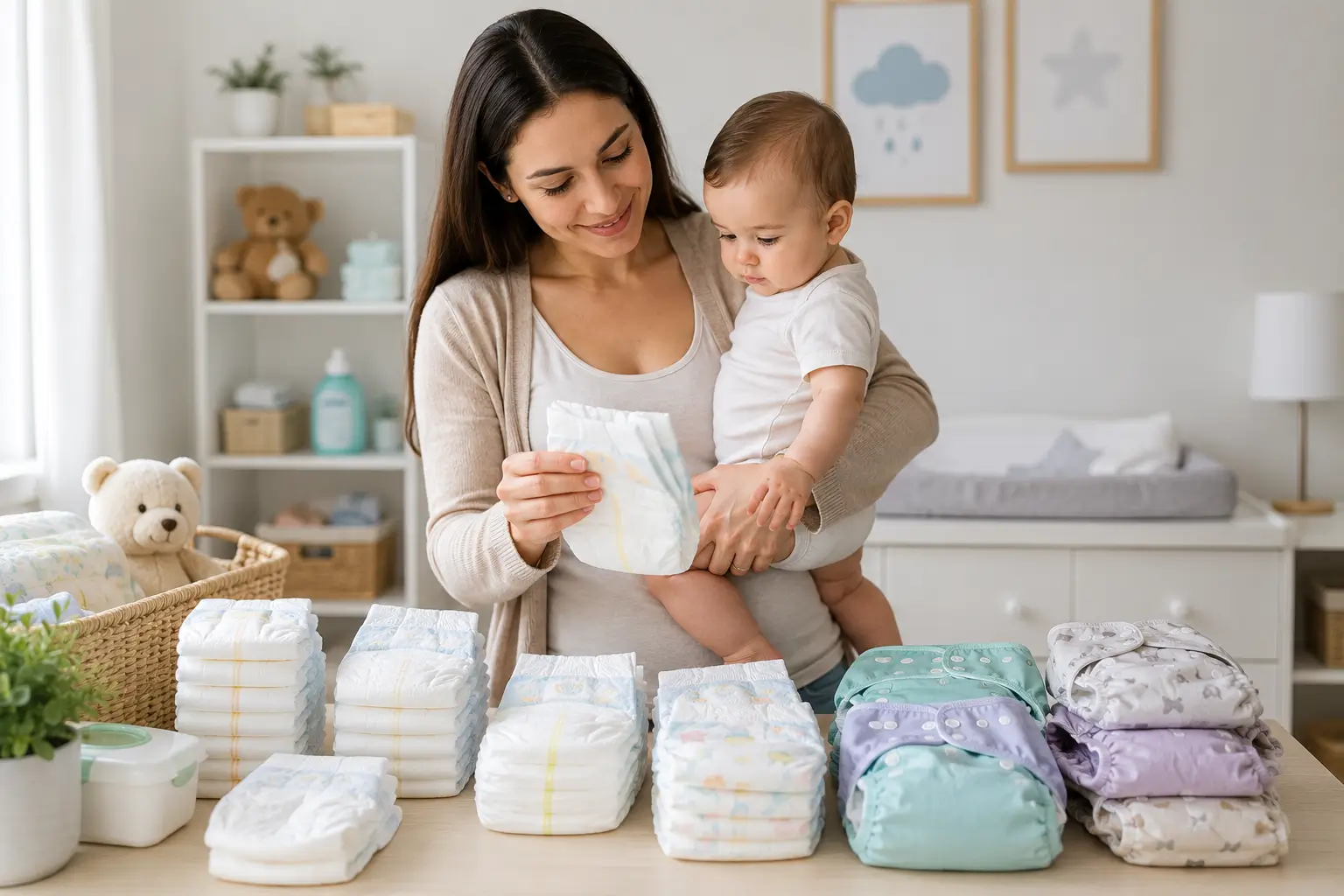
Being a parent means making a lot of choices. One of the first is picking the right baby diaper. At first, all diaper packs look the same. But once you use them, you will see they are very different. Some keep your baby dry all night, while others leak after a few hours. Some feel soft on baby skin, while others can cause rashes.
Babies need their diapers changed many times a day. Because of this, picking the right diaper is very important. A good diaper keeps your baby comfortable, stops rashes, prevents leaks, and saves you money by not wasting any.
If you’re feeling overwhelmed by the many brands and options available, don’t worry.
Why Choosing the Right Baby Diaper Matters
A diaper does much more than hold waste. It protects your baby’s delicate skin, helps prevent moisture from staying against the body, and keeps clothing and bedding clean.
Babies spend nearly every hour of the day wearing diapers during their first few years. A poor-fitting diaper can lead to leaks, discomfort, and skin irritation, while a well-designed diaper allows your baby to move, sleep, crawl, and play comfortably.
Finding the right diaper isn’t about choosing the most expensive brand. Instead, it’s about finding the one that fits your baby’s needs.
Understanding Different Types of Baby Diapers
Today’s parents have several options, each offering different benefits.
1. Disposable Baby Diapers
Disposable diapers are still the top choice for many families. They are easy to use, soak up a lot of liquid, and are very convenient for busy parents. Today’s disposable diapers also come with helpful features like wetness lines, stretchy waistbands, breathable fabrics, and leak guards. If you have a busy schedule, then disposable diapers are usually the easiest option.
2. Cloth Baby Diapers
Cloth diapers have become increasingly popular among parents who want reusable options. Modern cloth diapers are much easier to use than older styles. Many include adjustable snaps, absorbent inserts, and waterproof outer layers. Even though cloth diapers need to be washed often, many families like them because they save money over time and create less trash.
3. Swim Diapers
Regular diapers soak up pool water right away, which makes them a bad choice for swimming. Swim diapers are made specially to catch solid waste without soaking up water. They are perfect for pools, beaches, and water parks.
Choosing the Right Diaper Size
Size plays a major role in preventing leaks and keeping your baby comfortable.
Many parents assume they should choose diapers strictly based on age, but manufacturers usually recommend sizing according to weight.
- A diaper that’s too small may leave red marks around the legs or waist and increase the chance of leaks.
- A diaper that’s too large may allow gaps around the legs, leading to messy accidents.
If your baby begins leaking frequently despite proper diaper changes, it may be time to move up to the next size.
Focus on Comfort
Even when they are sleeping, babies are constantly moving. They should be able to move freely in a proper diaper without feeling constricted or heavy. Soft fabrics make it easier to avoid rubbing against sensitive skin. Leg holes and elastic waistbands allow the diaper to follow your baby’s natural movements rather than obstructing them. As babies begin to crawl and walk, comfort becomes even more crucial.
Absorbency Makes a Big Difference
Absorbency is one of the most important features to consider. A highly absorbent diaper locks moisture away from your baby’s skin, helping reduce irritation and keeping your baby dry for longer periods.
This becomes especially valuable overnight when babies sleep for several hours without a diaper change. If your baby frequently wakes because of leaks, trying a more absorbent diaper may solve the problem.
Look for Skin-Friendly Materials
A baby’s skin is much more sensitive than an adult’s. Many diapers now include breathable materials that improve airflow while reducing trapped moisture. If your baby has sensitive skin, consider products made without unnecessary fragrances or lotions. Watching your baby’s skin after trying a new diaper brand can help you identify whether it’s a good match.
Features Worth Considering
Modern diapers include many useful features that make life easier for parents.
- Wetness indicators. Many diapers change color when wet, making it easy to know when it’s time for a diaper change without opening the diaper repeatedly.
- Leak protection barriers. Extra leg cuffs and side barriers help contain messes, especially for active babies who crawl and move frequently throughout the day.
- Stretchy waistbands. Flexible waistbands improve comfort while creating a better seal that reduces leaks during naps, overnight sleep, and playtime.
- Breathable construction. Materials that allow better airflow help reduce moisture buildup and may lower the chance of skin irritation.
These features may seem small individually, but together they improve both comfort and convenience during everyday diaper changes.
Daytime and Overnight Diapers
Since not every diaper functions the same way throughout the day, daytime and overnight diapers have different uses. While overnight diapers have extra absorbent material to keep babies dry for longer periods of time without the need for frequent changes, daytime diapers usually concentrate on comfort and flexibility to accommodate an active baby. Therefore, switching to an overnight diaper can offer considerably more protection if your child frequently wakes up in moist clothes.
How Often Should You Change Diapers?
Frequent diaper changes help keep your baby’s skin healthy. Newborns often require changes every two to three hours, while older babies may stay dry slightly longer. Always change diapers promptly after bowel movements. Allowing moisture to remain against the skin for extended periods increases the risk of diaper rash.
Signs It’s Time to Change Brands
Not every diaper works well for every baby, and finding the right fit sometimes requires trying several brands due to different body shapes.
- You may want to consider switching brands if you notice frequent leaks.
- Watch for persistent diaper rash as a sign to try a new option.
- Red marks around the waist indicate the current brand may not be fitting correctly.
- Tight leg openings are another physical sign that it is time to change brands.
- Strong odors after short periods can suggest poor absorption or breathability.
- Poor overnight performance is a key indicator that a different brand or type of diaper is needed.
Smart Ways to Save on Baby Diapers
- Bundle Up for Savings: The total cost per diaper is usually lower when diaper packages are purchased in bulk.
- Automate and Save: Look into merchant subscription programs. For convenient automated delivery and special discounts.
- Test Before You Stock: Don’t purchase large quantities of a single brand until you are certain that your infant will fit and tolerate them.
- Start Small: Purchase smaller trial packs first to ensure a proper fit and prevent wasting money on incompatible brands.
Diapers are one of the most common recurring expenses in a baby’s early years. So, combining bulk buying with careful initial testing strikes the best balance between economy and comfort.
How to Store Your Diapers Properly
- Keep it Cool and Dry: Store your diapers in a cool, dry place.
- Avoid Heat and Humidity: Do not leave them in very hot or humid spots, because heat and moisture can ruin the sticky tabs and packaging.
- Keep Them Sealed: Leave unopened packs sealed until you are ready to use them.
Proper storage keeps your diapers in great shape until you need them.
Tips to Prevent Diaper Rash
- Clean Gently: Wipe your baby’s skin softly during every single diaper change.
- Let Skin Dry: Wait for the skin to dry completely before you put on a fresh diaper.
- Use Cream When Needed: Apply diaper cream if your pediatrician suggests it, especially if your baby gets irritated easily.
- Give Diaper-Free Time: Let your baby go without a diaper for short periods so their skin can breathe.
Even the best diapers cannot stop diaper rash on their own. Good skin care is the best protection.
Are Premium Diapers Worth It?
- Extra Features: More expensive diapers often come with better absorbency, softer materials, and stronger leak protection.
- Higher Price Doesn’t Mean Best: A higher price tag does not automatically mean a brand will work best for your child.
- Every Baby is Different: Some babies do great with budget-friendly brands, while others need premium options due to sensitive skin or heavy overnight wetting.
The best diaper is simply the one that keeps your baby dry, comfortable, and free from irritation, no matter what it costs.
Diaper Mistakes New Parents Make
- Choosing by Age, Not Weight: Selecting a diaper based only on your baby’s age instead of their actual weight often leads to a poor fit.
- Waiting Too Long to Size Up: Continuing to use the same size right after a growth spurt can cause leaks and red marks.
- Sticking With a Leaky Brand: Forcing yourself to use a large box of diapers that frequently leak just because you already bought them wastes more money and time in the long run.
Every baby grows at their own pace. Staying flexible and adjusting your choices as your child’s needs change makes diapering much easier.
Final Thoughts
Selecting the appropriate baby diapers doesn’t have to be difficult. You can discover a diaper that keeps your baby comfortable all day and night by concentrating on factors like appropriate sizing, absorbency, comfort, skin-friendly materials, and dependable leak prevention.
Don’t worry if the first brand you try isn’t perfect. Every baby is unique, and finding the right fit often takes a little experimentation. Pay attention to how the diaper performs, how your baby’s skin responds, and whether it meets your family’s daily routine.
A comfortable baby is often a happier baby, and the right diaper can make diaper changes easier, reduce stress, and give parents greater peace of mind.