

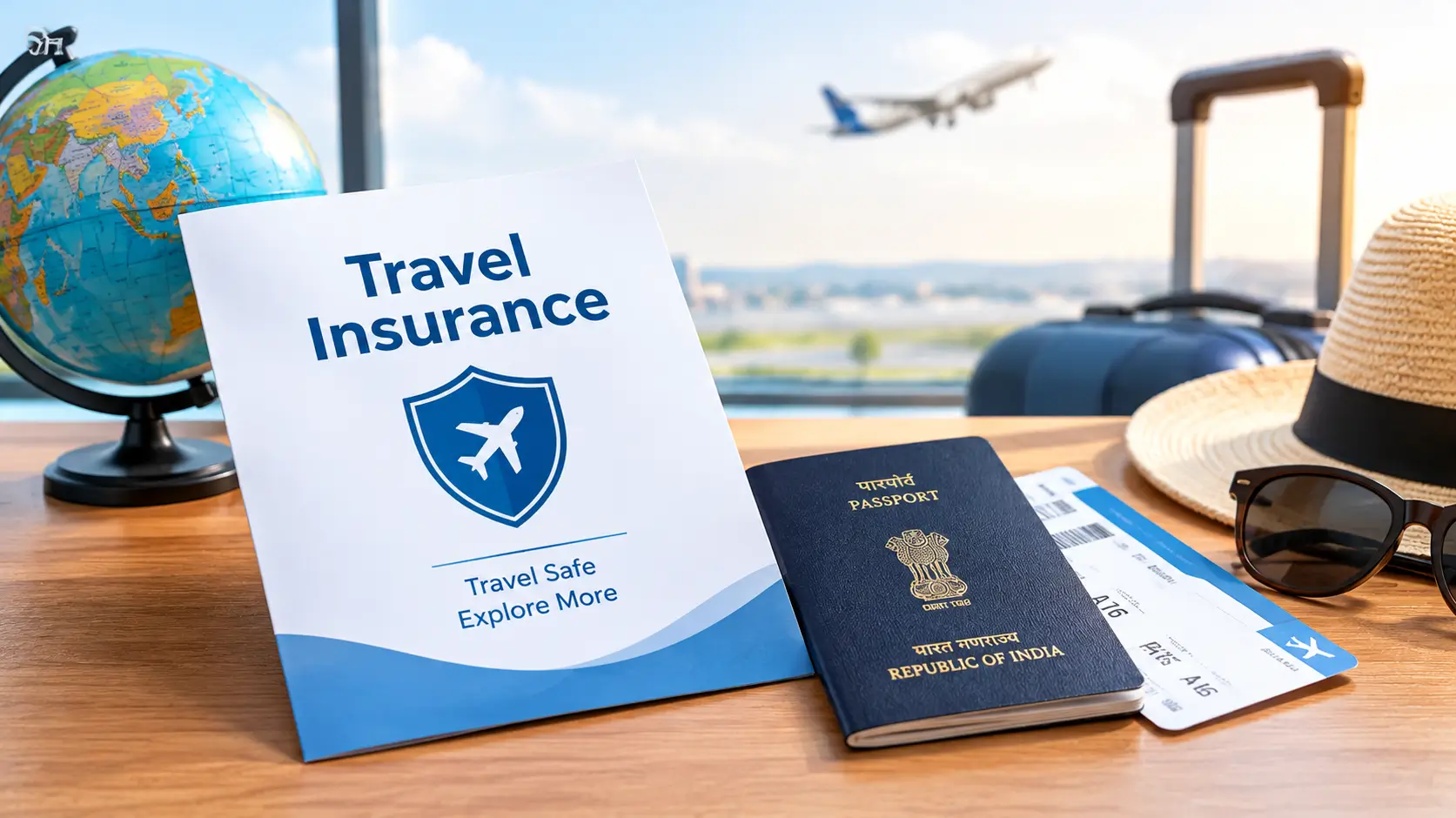
The majority of Indian travellers prioritise airline tickets, hotel reservations, visa paperwork, and shopping arrangements while organising an international vacation. Travel insurance frequently arrives much later. Some people only purchase it because, when applying for a visa, the embassy requests proof of insurance. When things don’t go as planned, travel insurance can help shield you from unforeseen medical expenses and other travel-related losses.
Imagine you travel to Europe for a family holiday. You suddenly develop a serious infection and need hospital treatment. Your family may have to manage medical expenses while also dealing with an unfamiliar healthcare system. A suitable travel insurance policy may help cover eligible costs under its terms. This is why Indian travellers should look at travel insurance as more than a visa requirement. It can provide financial support during unexpected situations and help you travel with greater peace of mind.
What Is Travel Insurance?
Travel insurance is a policy that can protect you against certain financial losses during a trip. The protection depends on the policy you choose and the terms it includes. Most overseas travel insurance plans focus on emergency medical expenses. Some also offer benefits for trip cancellation, travel delays, baggage problems, passport loss, and other unexpected events. Travel insurance does not cover every problem. You should always read the policy wording before buying a plan.
Why Do Some Countries Require Travel Insurance?
When applying for a visa in some countries, travellers must provide documentation of their travel medical insurance. These regulations aid in ensuring that visitors are financially protected for specific medical issues that may arise while they are visiting.
The Schengen visa example
You usually need travel medical insurance that satisfies the requirements if you are applying for a short-stay Schengen visa. The entire intended stay as well as the pertinent Schengen nations must be covered by the policy.
The standard minimum coverage requirement is €30,000. It includes eligible emergency medical care, hospital treatment, and medical repatriation. The policy must also meet the other conditions set by the visa rules. You can check the official European Commission Schengen visa guidance before applying. Remember that visa requirements differ between destinations and visa categories. Always check the latest instructions from the relevant embassy or consulate.
Is travel insurance compulsory for every international trip?
Not every destination or visa category has the same insurance requirement. Some countries may not require tourists to show travel insurance as part of the visa process. However, you shouldn’t disregard the hazards just because there isn’t a mandatory requirement. Even if you do not require insurance for your visa, a medical emergency or unforeseen travel issue could result in costs. The better question is whether you can comfortably manage those expenses yourself.
How Travel Insurance Acts as a Safety Net
Travel insurance can become useful when an unexpected event creates expenses during your trip. Here are some situations where suitable coverage may help.
1. Emergency medical treatment abroad
Medical treatment in another country can cost much more than travellers expect. A hospital visit, diagnostic tests, or emergency treatment can place pressure on your travel budget. An overseas travel insurance policy may cover eligible emergency medical expenses up to the limits in your policy. Some plans also include emergency medical evacuation when the policy conditions are met.
Let’s say you have excruciating stomach discomfort while on vacation and want immediate medical attention. Eligible medical expenses may be covered by your insurer. You might have to follow the insurer’s instructions and get in touch with its support staff.
2. Emergency evacuation and medical repatriation
In some medical situations, you need to be taken to a different hospital or back to your home country for medical reasons. These kinds of plans can cost a lot of money. Certain travel insurance plans cover emergency medical evacuation or repatriation under specific conditions.
The insurer may need to approve the arrangement before it takes place, except where emergency procedures or policy terms provide otherwise. Don’t think that all plans cover endless evacuation. If you need help, check your policy to see what it covers and call the insurance company’s emergency support staff.
3. Trip cancellation or interruption
Travel plans can change because of unexpected events. A serious illness, an injury, or another covered reason may force you to cancel your trip or return home early. A policy with trip cancellation or interruption benefits may reimburse certain non-refundable expenses when the reason meets the policy conditions.
For example, suppose you book flights and accommodation several months before your holiday. A covered medical emergency prevents you from travelling. The policy may help recover eligible costs that the airline or hotel does not refund. However, changing your mind about a holiday does not automatically qualify for reimbursement. Read the list of covered reasons carefully.
4. Lost or delayed baggage
Baggage problems can disrupt an international trip. Your suitcase may arrive late, or an airline may report that it has gone missing. Depending on your policy, you might get paid if your luggage gets lost or is delayed. Some plans also cover certain personal items, but there are boundaries and things that aren’t covered. If something goes wrong, keep your luggage tag and the airline’s written report. These papers might help you back up a claim.
5. Lost passport and travel documents
Losing your passport abroad can cause stress and extra work. You may need to contact Indian consular authorities and arrange the required travel documents. Some travel insurance policies offer limited assistance or reimbursement for eligible expenses related to passport loss. The exact benefit varies by insurer.
Make sure that you store digital copies of your passport, visa, insurance certificate, and important bookings in a safe place. While copies do not take the place of the original papers, they might be of assistance in gaining access to information when it is required.
What Does Travel Insurance Usually Not Cover?
Travel insurance has limits. Buying a policy does not guarantee that the insurer will pay every claim.
| Situation | What you should know |
| Pre-existing medical conditions | Some plans exclude related treatment or cover it only under specific conditions. |
| Planned medical treatment | Ordinary travel medical cover may exclude treatment that you planned before travelling. |
| Adventure activities | Certain sports and risky activities may require extra cover or may remain excluded. |
| Alcohol- or drug-related incidents | Policies may exclude claims linked to specified circumstances involving alcohol or drugs. |
| Missed flights | A claim may qualify only under the situations listed in the policy. |
| Trip cancellation | The insurer generally checks whether the cancellation reason falls within the covered events. |
These are examples, not universal rules. Each insurer sets its own policy terms.
Why reading exclusions matters
Imagine you have a medical condition and need treatment abroad. You may assume your travel insurance will pay because you purchased medical cover. However, the policy may exclude treatment related to that condition.
You should disclose relevant medical information honestly when applying for insurance. Ask the insurer about coverage for pre-existing conditions before buying the plan. Also check whether the policy requires you to contact an assistance provider before arranging non-emergency treatment. Following the correct process can make a difference when you submit a claim.
How Should Indian Travellers Choose the Right Policy?
The cheapest policy may not provide the protection you need. Instead, compare the coverage with your destination, trip duration, activities, and personal circumstances.
Check these important points before buying
- Medical coverage limit: Check out how much money is available for medical care. The cost of health care can be very different from one place to another, so pick a limit that works with your travel plans.
- Destination requirements: Make sure that the policy covers all of the countries you want to visit and meets the requirements for your visa. Check the current rules for a Schengen visa and see if the authorities accept the policy you choose.
- Trip duration: Make sure the policy covers your entire trip, including the correct departure and return dates. If your travel dates change, ask the insurer whether you need to update the policy.
- Age and medical needs: Older travellers and people with existing medical conditions should check eligibility and exclusions carefully. Do not assume every plan offers the same benefits to every age group.
- Claim process: Find out how to contact the insurer during an emergency. Check the documents you need and whether you must obtain approval before arranging certain services.
- Additional benefits: Consider whether baggage protection, travel delay cover, or trip cancellation benefits matter for your journey. Pay for useful protection rather than choosing a plan based only on the number of benefits advertised.
Conclusion
The correct policy can alleviate the financial burden of dealing with unforeseen situations overseas. However, the protection is based on the policy limitations, exclusions, and claim conditions. Before buying a plan, compare the medical cover, check your destination’s visa rules, and understand the claims process. If you have an existing medical condition or plan to take part in adventure activities, confirm the relevant coverage directly with the insurer. A little time spent checking the policy before departure can help you make a more informed decision and travel with greater confidence.