

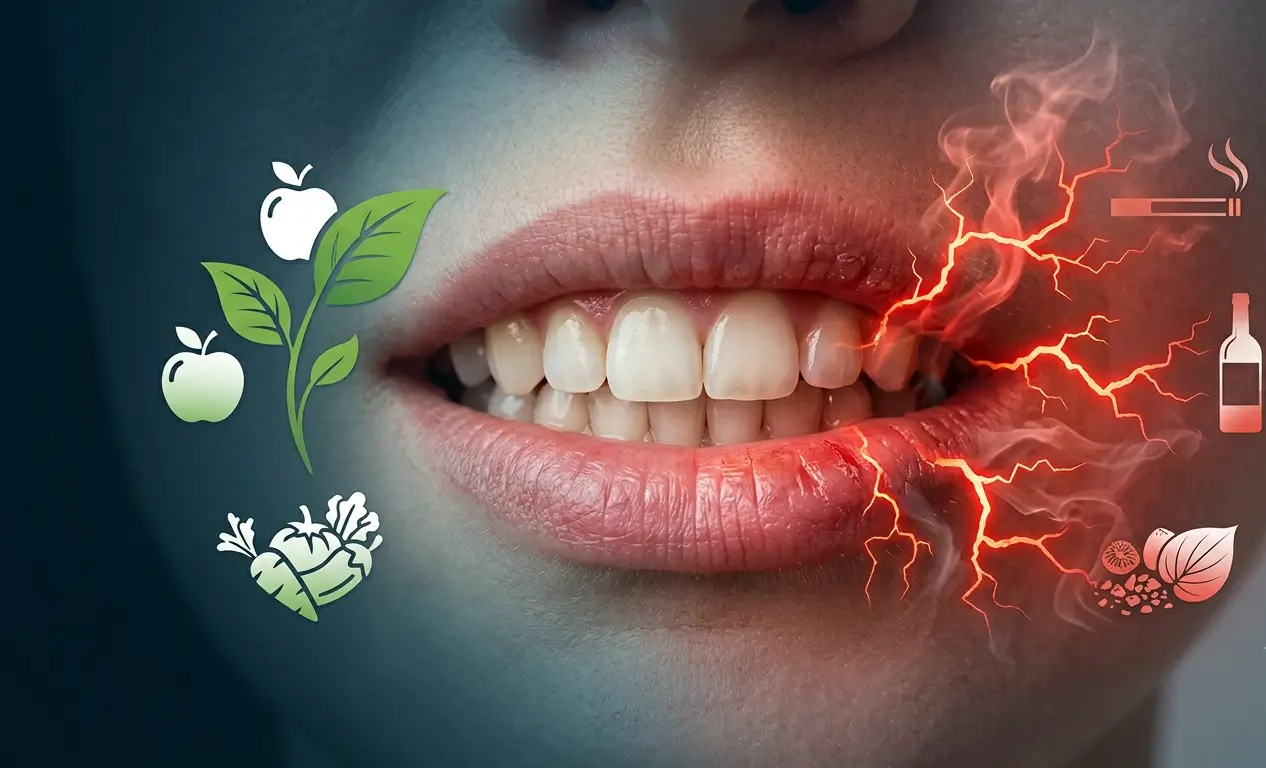
Many people think oral cancer only strikes older people or happens out of nowhere. In reality, simple daily habits repeated over many years can slowly raise your risk without you realizing it. In India, tobacco chewing, gutka, khaini, and paan with tobacco and areca nut use are important concerns. Alcohol can also increase the risk. When people combine some of these habits, the risk can become even more serious.
The good news is that several important risk factors can be changed. Stopping tobacco, avoiding areca nut products, and reducing or avoiding alcohol can help lower the risk of oral cancer.
What Is Oral Cancer?
Oral cancer refers to cancer that develops in parts of the mouth such as the lips, tongue, gums, inner cheeks, floor of the mouth, and other areas of the oral cavity. It can start as a small change that may not look serious. Some people notice a sore or patch in the mouth but wait for it to disappear. Others ignore a lump or unusual pain because they think it will settle on its own. Not every mouth ulcer or patch means cancer. Many common mouth problems have other causes. However, a change that does not heal or keeps coming back deserves attention from a dentist or doctor.
Daily Habits That Can Increase Oral Cancer Risk
1. Chewing Tobacco
Chewing tobacco is one of the biggest concerns for oral health. Products such as khaini and other forms of smokeless tobacco keep harmful substances in direct contact with the tissues inside the mouth. Some people use chewing tobacco several times during the day. Because the habit becomes part of their routine, they may stop thinking about the damage it can cause.
IARC identifies tobacco use in both smoked and smokeless forms as an established risk factor for oral cancer. Smokeless tobacco is especially important in countries and regions where people commonly use chewing products.
2. Gutka and Similar Chewing Products
Gutka can become a regular habit because people often start using it during work breaks, after meals, or while travelling. Some users believe that because they do not smoke it, it may be safer than cigarettes. That assumption can be dangerous. Many smokeless tobacco products expose the mouth to cancer-causing substances. IARC research has also identified smokeless tobacco and areca nut use as major contributors to oral cancer cases in South-Central Asia. The safest approach is not to replace smoking with gutka or another tobacco-chewing product.
3. Areca Nut and Paan Masala
Areca nut deserves special attention in India. People may chew it alone or as part of products such as paan or other preparations. Some products may not contain tobacco, which can create a false sense that they are harmless.
Areca nut on its own increases the risk of mouth cancer and has been officially labeled a cancer-causing substance by international health experts (IARC). It also causes oral submucous fibrosis—a condition that stiffens the inside of your mouth, making it hard to open, and can eventually lead to cancer. So avoiding tobacco alone does not make every chewing product safe. If a product contains areca nut, it should not be treated as a harmless alternative.
4. Drinking Alcohol Regularly
Alcohol is another established risk factor for oral cancer. The risk becomes more important with higher alcohol consumption. Alcohol can also work together with tobacco. This means a person who both drinks alcohol and uses tobacco may face a greater risk than someone who follows only one of these habits. IARC reports that alcohol and tobacco can act together to increase oral cancer risk. If drinking has become a regular part of your routine, reducing alcohol intake or avoiding it can be an important step toward lowering cancer risk.
5. Smoking Cigarettes and Other Tobacco Products
Smoking affects more than the lungs. Tobacco smoke exposes the mouth and throat to harmful chemicals. A person may smoke only a few cigarettes a day and feel that the amount is too small to matter. But repeated exposure over many years can increase health risks. IARC lists tobacco smoking among the established risk factors for oral cancer. Quitting tobacco can reduce the increased risk associated with tobacco exposure.
Why These Habits Become Dangerous Over Time
Most harmful habits do not cause an obvious problem after one use. This makes them easy to ignore. Think about someone who chews tobacco after every meal. One day of the habit may not create a noticeable problem. But repeating the habit every day exposes the mouth to harmful substances again and again.
The same idea applies to alcohol and smoking. Long-term repeated exposure matters. This does not mean that everyone who follows these habits will develop cancer. It means these habits can increase the risk. Other factors also affect a person’s individual risk.
Warning Signs You Should Not Ignore
Early changes in the mouth can look like common problems. That is why people sometimes delay getting them checked.
You should speak with a dentist or doctor if you notice:
- A mouth ulcer that does not heal
- A red or white patch inside the mouth
- A lump or thickened area
- Unusual bleeding
- Persistent pain or numbness
- Difficulty chewing or swallowing
- Trouble moving the tongue or jaw
- Loose teeth without an obvious reason
- A change in how dentures fit
- A lump in the neck
A mouth ulcer that continues for more than three weeks should receive medical attention. These symptoms can also come from conditions other than cancer, so seeing a healthcare professional does not mean that you have cancer. It simply helps find the actual cause.
Tips to Reduce Risk of Oral Cancer
1. Stop Tobacco in Every Form
Do not simply switch from cigarettes to gutka, khaini, or another tobacco product. Tobacco in different forms can still increase oral cancer risk. If quitting feels difficult, speak with a doctor or tobacco cessation professional. A planned approach can make quitting easier than trying to depend only on willpower.
2. Avoid Areca Nut Products
Avoid products containing areca nut even when they do not contain tobacco. This includes chewing products that people may consider harmless because they are marketed or used as mouth fresheners. IARC and WHO recommend avoiding areca nut use as an important part of oral cancer prevention.
3. Reduce or Avoid Alcohol
If you drink regularly, cutting back or stopping is a smart step. This is even more important if you also use tobacco, as combining the two sharply raises your risk. Quitting both removes two of the biggest dangers to your health at once.
4. Take Mouth Changes Seriously
Do not keep treating the same mouth ulcer with home remedies for weeks without finding out why it remains. If something unusual does not heal, visit a dentist or doctor. A professional examination can help identify whether the problem comes from an infection, injury, dental issue, or another condition.
5. Maintain Good Oral Health
Regular brushing, cleaning between the teeth, and regular dental visits help maintain good oral health. Good oral hygiene does not guarantee protection from oral cancer, but it helps you notice unusual changes and deal with common mouth problems. WHO also identifies tobacco, alcohol, and poor oral health as important modifiable factors connected with oral disease.
Conclusion
Oral cancer does not always begin with a dramatic warning. Some people notice a small ulcer, patch, or change in the mouth and ignore it for weeks. Daily habits such as smoking, chewing tobacco, using gutka, chewing areca nut, and drinking alcohol can increase the risk of oral cancer. These risks become especially important when the habits continue for years or when tobacco and alcohol occur together. Taking action early can help you protect your oral health and avoid allowing a harmful daily habit to become a long-term health problem.