

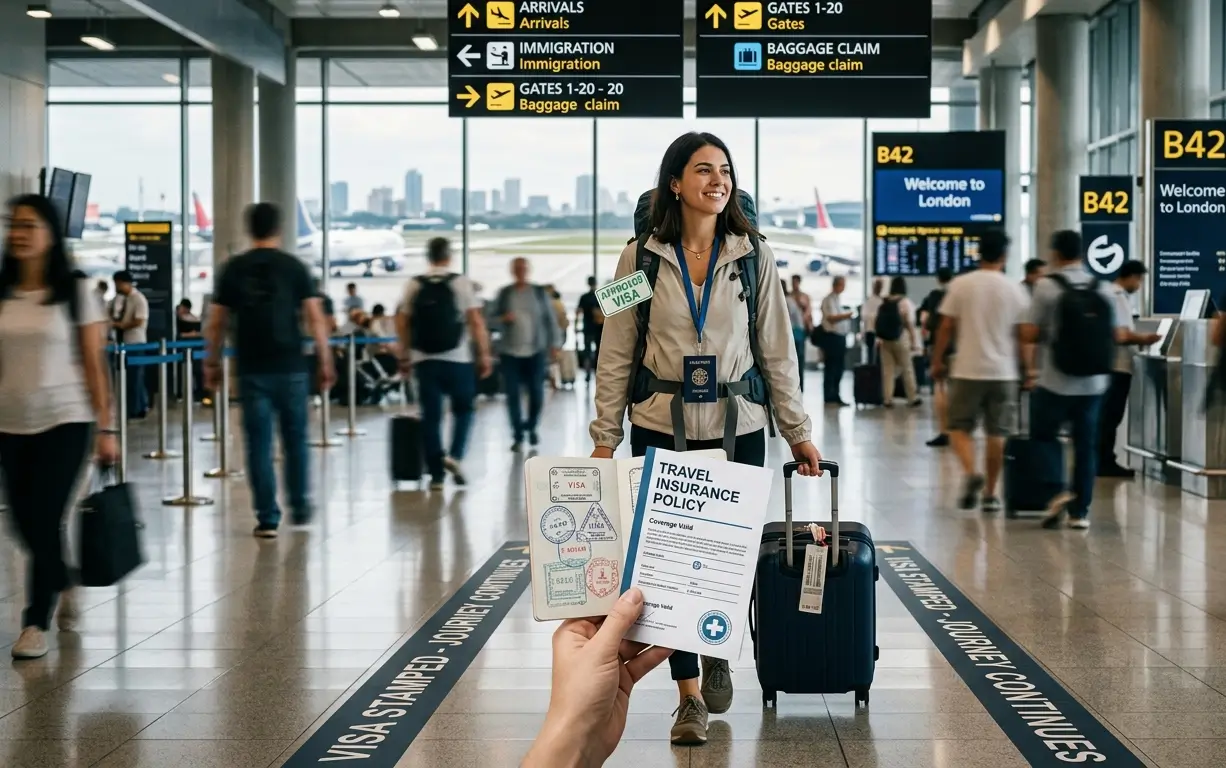
Getting your visa approved feels like a big achievement. You may have spent weeks collecting documents, filling out forms, booking appointments, and waiting for a decision. Once the approval arrives, you can finally focus on your flight tickets, hotel bookings, and travel plans. However, there is one important step that many travellers overlook after receiving their visa: travel insurance.
A visa allows you to travel to a country under the conditions set by its authorities. It does not protect you from unexpected medical bills, lost baggage, flight delays, or other travel problems. These situations can create financial stress, especially when you are travelling abroad and do not know how the local healthcare or transport systems work. Travel insurance can offer financial protection and practical assistance during an unexpected situation. It may also form part of the entry or visa requirements for certain destinations.
Does visa approval mean you no longer need insurance?
A visa and travel insurance do two completely different jobs. A visa gives permission to travel to a country and ask to enter under its laws. Travel insurance protects your money if unexpected problems happen during your trip. Some destinations require visitors to carry insurance that meets specific conditions. Other destinations may not make it compulsory for every traveller. Even when the authorities do not require it, insurance can still prove useful. You should check the current requirements for your destination instead of assuming that visa approval settles every travel-related obligation.
6 Reasons Why Travel Insurance Matters After Visa Approval
1. Medical treatment abroad can cost a lot
One of the biggest reasons to buy travel insurance is the cost of medical treatment in another country. Healthcare expenses vary widely by destination, hospital, and type of treatment. Even a short hospital visit can create a large bill in some countries.
Your regular health insurance policy in India may not cover overseas treatment. Some policies offer limited international coverage, but you should check the exact terms rather than assume that your existing policy protects you abroad. A suitable travel insurance plan may cover eligible emergency medical expenses during your trip. This protection can help you handle an unexpected illness or injury without bearing the entire cost yourself.
Before buying a policy, review the medical coverage limit and the conditions that apply. Check whether the plan covers hospitalisation, emergency treatment, ambulance services, and medical evacuation where applicable. You should also understand exclusions, deductibles and any requirements for contacting the insurer before receiving treatment. These details can affect the amount the insurer pays.
2. Medical emergencies can disrupt your travel plans
A medical emergency can affect more than your health. You may need to stay in hospital, extend your hotel booking or change your return flight. Some travel insurance policies assist or cover eligible additional expenses in specific situations. However, the insurer will apply the policy’s conditions and limits.
For example, if a doctor advises you not to fly because of a covered medical emergency, your policy may help with certain expenses related to the disruption. Do not assume that every hotel extension or flight change will qualify for payment.
3. Lost or delayed baggage can cause problems
Imagine reaching London for a business meeting, but your checked suitcase does not arrive with you. You may need to buy essential clothing, toiletries, or other necessary items before the airline locates your baggage.
Depending on the plan, travel insurance may cover certain expenses caused by baggage delays or compensate you for eligible lost baggage. The airline may also have its own process for handling baggage problems. Keep your baggage receipts, airline report, and claim documents. Your insurer may require these records before assessing your claim.
4. Flight delays and cancellations can increase costs
Weather conditions, operational issues and other unexpected events can delay or cancel flights. A long delay may force you to spend extra money on meals, transport or accommodation. Some travel insurance policies cover specified travel delays or cancellations when the traveller meets the policy conditions. Other policies may offer little or no protection for a particular situation.
Check the minimum delay period, eligible expenses, and required documents before you travel. Also review the airline’s own rules because airline compensation and travel insurance benefits follow different conditions.
5. You may need to cancel or shorten your trip
Sometimes, a serious illness, an eligible family emergency or another covered event may force you to cancel your journey or return home early. A suitable policy may reimburse certain non-refundable travel expenses when the reason falls within its covered events. However, changing your mind about a holiday or cancelling because you no longer want to travel usually does not qualify unless your plan specifically provides such protection.
Read the cancellation section before purchasing insurance. If you have already paid for flights, hotels or tours, check whether the policy protects those costs and when the coverage begins.
6. Travel assistance can help during stressful situations
Finding help in an unfamiliar country can feel difficult when you face a medical emergency or lose important travel documents. Many travel insurance plans provide access to assistance services. Depending on the insurer and plan, these services may help you locate medical facilities, understand emergency procedures, or arrange support after certain incidents. Keep the insurer’s emergency contact details accessible on your phone and in a separate document. If an emergency occurs, contact the assistance team as soon as it is safe and practical to do so.
Is Travel Insurance Compulsory After Visa Approval?
The answer depends on your destination, visa category, and purpose of travel. Some countries require visitors to carry travel medical insurance that meets specific conditions. Others may not require it for every visitor. Visa rules can also differ for tourists, students, workers and people visiting family.
For example, travellers applying for a visa generally need travel medical insurance that meets the applicable visa requirements. A traveller visiting a country with no such general requirement may still benefit from insurance, even if the authorities do not ask for proof.
What should you check after your visa arrives?
Do not rely only on general travel advice. Review the official immigration website or the instructions issued by the relevant embassy or consulate. Confirm the required coverage amount, validity period, geographical coverage, and any other conditions that apply to your visa.
If you bought travel insurance for your visa application, double-check that the dates still match your actual trip. You’ll need to update your policy if your travel dates change or if you decide to stay longer.
How to Choose the Right Travel Insurance Policy
Not all travel insurance plans offer the same benefits. The cheapest option might not give you enough protection, while a pricier plan might charge you for features you won’t actually use.
Use your destination, travel duration, age, planned activities, and budget to compare suitable options.
| What to check | Why it matters |
| Emergency medical expenses | Helps you understand the maximum medical protection available |
| Hospitalisation and evacuation | Shows whether eligible hospital and transport expenses receive coverage |
| Trip cancellation | Explains which covered events may qualify for reimbursement |
| Baggage protection | Shows the limits and conditions for delayed, lost or damaged baggage |
| Policy exclusions | Identifies situations the insurer will not cover |
| Claim process | Explains how to report an incident and submit supporting documents |
| Destination and dates | Confirms that your policy covers your entire trip and all planned destinations |
1. Understand exclusions before paying
Every insurance policy has exclusions. These may include certain pre-existing medical conditions, treatment that does not qualify as an emergency, incidents involving alcohol or drugs under specified circumstances, and activities that the policy does not cover.
Some policies also restrict coverage for travel against medical advice or for events that the traveller already knew about before buying the policy. The exact restrictions vary by insurer and plan. Read the policy wording and ask the insurer to explain any condition you do not understand. Do not choose a policy based only on its advertised benefits.
2. Check the claims process
A policy becomes useful when you understand how to use it. Check whether the insurer offers a 24-hour emergency assistance service and how you should contact it from abroad. Keep copies of your policy, passport, visa, tickets and payment receipts. Save digital copies in a secure location so you can access them if you lose your bag or phone.
Common Mistakes Indian Travellers Should Avoid
1. Buying insurance at the last minute without checking the details
Many travellers focus on getting their visa and booking their flights before thinking about insurance. They may then purchase the first available policy without comparing the coverage. Compare plans early enough to understand the benefits and exclusions. If you buy a policy after visa approval. Confirm the effective date and make sure it covers the entire intended journey.
2. Assuming every medical expense qualifies for payment
Travel insurance does not automatically pay every hospital bill. The insurer checks the policy terms, the nature of the treatment, and the circumstances of the claim. If you have an existing medical condition, disclose it accurately when the insurer asks for relevant information. Check whether the policy covers that condition and under what circumstances. Incorrect or incomplete information can affect your claim.
3. Ignoring the policy’s coverage dates
Your policy should cover the dates you actually travel. If your trip starts earlier or ends later than the insurance period, you may face a gap in protection. Check your departure and return dates before making payment. If you extend your trip, ask your insurer whether you can extend the policy and what conditions apply.
4. Treating insurance as a substitute for travel documents
Travel insurance does not replace your passport, visa, required permits or other entry documents. You must still follow the destination country’s immigration and entry rules. Keep all essential documents ready before departure. Check airline instructions and official travel guidance to avoid problems at the airport.
Conclusion
Getting your visa approved is an important milestone, but it does not remove the risks that come with international travel. Medical emergencies, baggage problems, flight disruptions, and unexpected cancellations can affect your finances and your plans. Travel insurance can help manage some of these risks when the event falls within your policy’s coverage. It can also provide access to assistance services when you need help in an unfamiliar country. A little preparation after visa approval can help you travel with greater confidence. You may never need to make a claim, but having suitable protection can make a difficult situation easier to manage.