

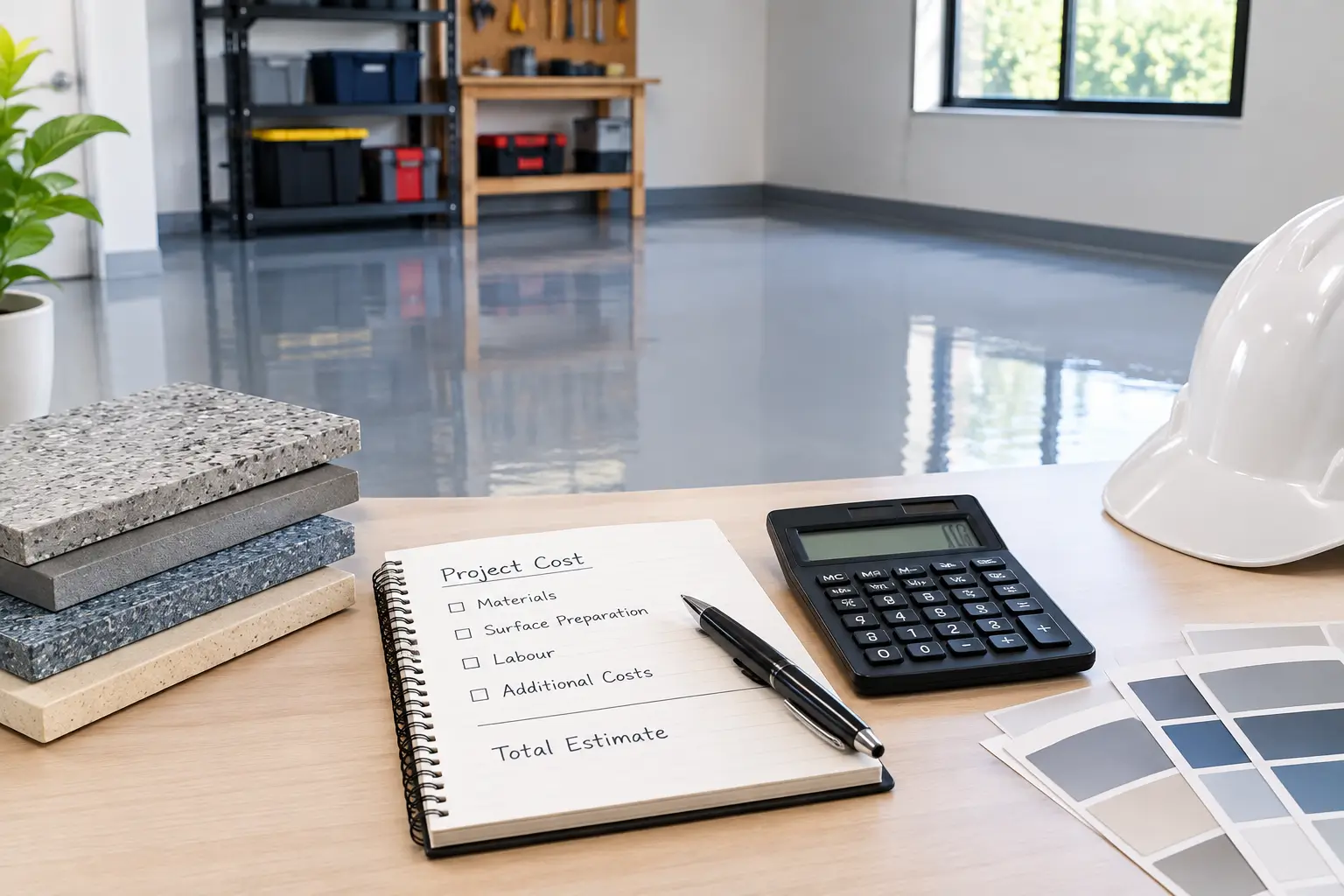
Epoxy flooring can give a home, garage, showroom, or workspace a clean and modern look. It creates a smooth surface that people can clean easily. However, the final cost can change from one project to another. Your floor condition, choice of coating, labour requirements, and finish all affect the total expense. Many people start their search by asking about the epoxy flooring cost. A contractor may offer a low rate and then add charges for crack repairs, surface grinding, or extra coating layers.
The good news is that you can control several parts of your flooring budget. You do not need to choose the cheapest material or sacrifice quality to save money. You need to understand what your floor requires and compare quotations carefully.
What Is Epoxy Flooring?
Epoxy flooring uses a resin and a hardener to create a firm coating over a suitable base, often concrete. The installer prepares the surface and applies the coating according to the selected system. People use epoxy flooring in garages, workshops, warehouses, factories, showrooms, and some residential spaces. The right system depends on how people use the floor and what kind of wear it must handle.
For example, a home storeroom may need a simple coating. A workshop with heavy equipment may need a thicker and stronger system. Both projects use epoxy, but they differ in material and installation requirements.
How Much Does Epoxy Flooring Cost?
There is no single rate that applies to every epoxy flooring project in India. Contractors may quote different prices depending on the coating system, floor condition, material quality, project size, and location. A basic coating and a decorative self-levelling floor do not require the same amount of material or work. Special finishes and heavy-duty systems can also increase the total expense.
You should ask local contractors to inspect your floor and prepare a written estimate instead of relying on prices found online. Use the same specifications when you compare their quotations.
Calculate Your Epoxy Flooring Budget
Start with the area you want to cover. Calculate the length and width of each rectangular section and multiply them to calculate the area in square feet.
For example, suppose your garage measures 20 feet long and 15 feet wide.
20 × 15 = 300 square feet.
If a contractor quotes ₹100 per square foot for the complete installation, the basic estimate would be ₹30,000. This is only an example to explain the calculation. It is not a current market rate or a confirmed quotation. You must also check whether the quoted amount includes surface preparation, repairs, taxes, and any extra work.
8 Factors That Affect Your Epoxy Flooring Budget
1. Existing Floor Condition
The condition of your current floor can make a big difference to the final bill. A clean and stable concrete surface may need less preparation than a damaged or uneven one. Cracks, holes, old paint, oil stains, and loose concrete can increase the amount of work. The contractor may need to grind the surface, remove old coatings, repair damaged areas, or investigate moisture problems before applying epoxy.
How you can control this cost: Ask the contractor to inspect the floor before giving a final quotation. Point out visible damage and request separate prices for necessary repairs. You should not cover up a serious problem just to reduce the initial expense because it may cause the new coating to fail.
2. Type of Epoxy Flooring
Different epoxy systems serve different purposes. A thin coating may suit a lightly used area, while a self-levelling system can provide a smoother finish. Heavy-duty floors may require additional layers or a thicker system. Decorative epoxy can also cost more when it involves special colours, metallic effects, patterns, or other design work.
How you can control this cost: Choose the system according to how you will use the space. A small home garage may not need the same specification as a busy industrial workshop. Explain your requirements clearly and ask the installer to recommend a suitable option instead of automatically choosing the most expensive finish.
3. Floor Area and Project Size
The total area directly affects the amount of coating material and labour required. A larger project needs more material, but the cost per square foot may differ because contractors can organise work more efficiently across a bigger area. Smaller projects may also involve minimum labour or equipment charges. These charges can affect the total even when the floor covers only a limited space.
How you can control this cost: Measure the area accurately and decide which sections genuinely need epoxy. If you plan to coat a garage and a storeroom, ask for separate estimates for each area. This helps you decide whether to complete both sections together or handle one first.
4. Surface Preparation and Repair Work
Surface preparation plays an important role in the quality of an epoxy floor. The installer may need to remove dust, grease, old paint, or weak material before applying the coating. Depending on the condition of the floor, the work may include mechanical grinding, crack filling, patching, or moisture checks. These steps add to the upfront cost, but they help the coating bond properly to the base.
How you can control this cost: Keep the floor clear of furniture, boxes, and movable equipment before the contractor starts work. You can also remove loose household items yourself if the contractor agrees. However, leave grinding, chemical cleaning, crack repairs, and other technical work to a qualified professional.
5. Number of Coats and Coating Thickness
Epoxy flooring systems can include a primer, one or more body coats, and a finishing coat. The exact arrangement depends on the product and the job requirements. More material generally means a higher material cost. However, reducing the specified thickness or skipping a required layer can affect the floor’s performance.
How you can control this cost: Ask the contractor to list the proposed layers and thickness in the quotation. Confirm the material brand and product specification. Compare quotations that offer the same system rather than choosing a contractor simply because they promise fewer coats at a lower price.
6. Labour and Installation Charges
Labour costs depend on the size of the project, the amount of preparation required, site access, and the installation method. A floor with many damaged areas may take more time than a clean, level surface. The contractor may also need special equipment to prepare the base and apply the coating. Some projects require work outside normal operating hours to reduce disruption.
How you can control this cost: Obtain at least two or three detailed quotations where practical. Ask each contractor to explain the labour charges and the work included. Do not compare a complete installation quote with a price that covers only the coating application.
7. Colour and Decorative Finish
A plain, single-colour floor usually offers a simpler design than a decorative surface with metallic effects or custom patterns. Extra design work can increase material use and installation time. You should also think about the daily use of the space. A glossy floor may suit some indoor areas, while a wet or frequently used working area may need a finish with better slip resistance.
How you can control this cost: Finalise the colour and finish before purchasing materials. Ask for a sample or a small demonstration area if the contractor offers one. Prioritise the finish you need rather than paying extra for a decorative effect that adds little practical value.
8. Location, Transport, and Additional Charges
The final epoxy flooring estimate may include transport, equipment movement, taxes, or other site-related expenses. Rates can differ between cities and even between projects in the same city. Your building’s location and access can also affect how easily workers bring materials and equipment to the site.
How you can control this cost: Ask for an itemised quotation that lists transport, taxes, preparation, repairs, materials, and labour. Confirm whether the contractor has included all expected expenses. A clear estimate makes it easier to plan your budget and reduces the chance of unexpected charges.
Practical Ways to Save Money on Epoxy Flooring
You can reduce unnecessary spending without compromising the quality of the installation.
1. Choose the Right Specification
Do not pay for a heavy-duty industrial system when a simpler system meets your actual needs. At the same time, avoid choosing a light coating for a floor that must handle heavy traffic or demanding working conditions. Ask the contractor to explain why they recommend a particular system. A clear reason helps you understand whether the extra expense offers a real benefit.
2. Compare Complete Quotations
Collect quotations that cover the same floor area, coating type, thickness, and preparation work. One contractor may quote a lower amount because the estimate excludes repairs or certain coating layers. Read the details instead of comparing only the final numbers. A complete quotation gives you a more reliable basis for making a decision.
3. Prepare the Site Before Work Begins
Remove movable items from the flooring area before installation. Make sure the contractor can access the work area without unnecessary delays. Discuss any required furniture movement or disposal of old material in advance. This helps you understand which tasks you can handle yourself and which ones need professional support.
4. Avoid Unnecessary Design Upgrades
Special colours, patterns, and decorative effects can make a floor stand out. However, they may not offer enough value for every room or working area. Select a finish that suits the purpose of the space. You can get a clean, polished look without paying top dollar for the most expensive option.
5. Keep a Contingency Amount
Avoid spending your entire budget on the initial estimate alone. A close inspection often uncovers hidden damage or extra prep work that was not apparent at first. Choose an amount that makes sense for your floor’s condition and the details of your quote, rather than sticking to a rigid percentage.
How to Compare Epoxy Flooring Quotations
Use this checklist before you finalise a contractor.
| Item to check | What you should confirm |
| Floor measurement | Does the quoted area match your measurements? |
| Surface preparation | Does the price include grinding and cleaning? |
| Repairs | Are crack filling and damaged-area repairs included? |
| Coating system | Does the quote specify the product and type? |
| Thickness and layers | Has the contractor listed the planned system? |
| Labour | Does the price cover the full installation? |
| Additional charges | Are transport, taxes, and other expenses clear? |
| Completion and curing | Has the contractor explained when the floor can be used? |
| Warranty | What does the written warranty cover, if offered? |
A detailed quotation helps you understand exactly what you will receive. Ask the contractor to explain any unclear item before you pay an advance.
Common Budgeting Mistakes to Avoid
1. Choosing the Cheapest Quote Without Checking the Details
A low quote can look attractive, especially when you have a limited budget. However, it may exclude important preparation work or offer a different coating system from the one you need. Check the material specification and scope of work before making a decision. A lower price is useful only when the contractor offers a suitable system and clearly explains the work.
2. Ignoring Moisture and Floor Damage
Epoxy needs a suitable base to bond properly. Moisture problems or weak concrete can affect the coating and may lead to additional repair costs. Ask the contractor to check these issues before installation. Do not approve a coating simply because the surface looks dry and clean.
3. Forgetting the Full Project Cost
The price of the coating is only one part of the budget. Preparation, repairs, labour, taxes, and extra finishes may all affect the final amount. Request a complete estimate before you commit. This will help you avoid comparing an incomplete price with a full installation package.
4. Ignoring the Time Needed for Installation
Epoxy flooring needs suitable application and curing conditions. You may need to keep people, vehicles, or equipment away from the floor during this period. Ask the installer when workers can walk on the floor and when you can return vehicles or heavy equipment to the area. Plan around these instructions to avoid damage and unnecessary delays.
Conclusion
Budgeting for epoxy flooring comes down to understanding your floor’s specific needs. Factors like the coating type, current floor condition, prep work, layer thickness, labor, and final finish all play a part in the total cost. You can keep expenses under control by measuring your space accurately, picking the right system, comparing detailed quotes, and skipping unnecessary add-ons. A clear budget and a solid plan will ensure you spend your money wisely and get a durable floor that lasts.